
Untested Sexual Assault Kits

Project Overview
Dr. Rebecca Campbell and Dr. Katie Gregory examined how best to notify survivors whose previously untested sexual assault kits have now been processed and linked to CODIS. Drawing on interviews with 32 survivors and 12 advocates, they found that the notification process can retraumatize victims, and integrating confidential and community-based advocacy throughout every stage is essential to supporting survivors’ emotional well-being and engagement with the legal system. Survivors reported that law-enforcement-led notifications, especially in-person visits, were frightening. They emphasized the importance of advocates making initial contact, offering ongoing support, and ensuring survivors do not feel alone. The study also highlights the healing impact of receiving apologies from detectives and produces trauma-informed recommendations. These recommendations are now guiding similar work in Kalamazoo County, where advocates are involved from the start.
In the Media: Paper to Practice
What is the Sexual Assault Kit Backlog?
In 2009, over 11,000 untested sexual assault kits (SAKs) were discovered in Detroit, Michigan. Historically, sexual assault has not been taken seriously by law enforcement. However, in recent years we’ve seen more change thanks to initiatives spearheaded by Dr. Rebecca Campbell, her team of researchers and local agencies.
Supporting Survivors Through Victim Notification
Supporting Survivors Through Victim Notification — Detroit’s Sexual Assault Kit (SAK) Action Research Project was created in response to the discovery of nearly 11,000 untested sexual assault kits in 2009. This video summarizes an evaluation study and recommendations based on the victim notification protocols created by the community taskforce.
Research Team

PI
Dr. Rebecca Campbell is a Professor of Psychology and Presidential Advisor on Relationship Violence & Sexual Misconduct at Michigan State University. She holds a Ph.D. in community psychology with a concentration in statistics, also from Michigan State University. For the past 25 years, she has been conducting community-based, participatory research on violence against women and children, with an emphasis on sexual assault. Dr. Campbell also conducts training on sexual assault for law enforcement and multidisciplinary practitioners in civilian, military, and campus community settings.
Project Director
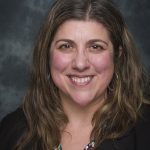
Dr. Katie Gregory is is a Professor of Ecological-Community Psychology at Michigan State University and the Director of the Michigan Victim Advocacy Network (MiVAN), funded by the Michigan Department of Health and Human Services, Division of Victim Services. Dr. Gregory’s research examines how medical, legal, and social service systems respond to survivors of sexual assault and more broadly, survivors of gender-based violence. Most recently, Dr. Gregory is a co-investigator for a National Sexual Assault Kit Initiative (SAKI) funded project through the Michigan State Police, examining a community’s SAKI team response, including the re-opening, re-investigation, and decision to prosecute cases related to previously untested rape kits.